Blog

  • Understanding Consumer Behavior Through Apple’s iPhone Market

    Understanding Consumer Behavior Through Apple’s iPhone Market

    For my final project in this course, I selected Apple Inc. as the company I will analyze. Apple is one of the most influential technology companies in the world and has developed a reputation for innovation, premium product design, and strong customer loyalty. Because of its strong brand identity and loyal customer base, Apple provides an excellent example of how companies use consumer behavior insights to influence purchasing decisions.

    The specific product category I will focus on is Apple’s iPhone smartphone line. Smartphones have become an essential part of everyday life and are used for communication, entertainment, work productivity, and social interaction. Because of their widespread use and rapid innovation cycles, smartphones represent an ideal product category for analyzing how consumer behavior shapes marketing strategies.

    One key concept in consumer behavior is that purchasing decisions are not driven solely by functional needs but also by emotional and psychological factors. According to Babin and Harris (2022), consumer behavior includes the processes individuals use to select, purchase, use, and evaluate products and services that satisfy their needs and desires. In the smartphone market, consumers often evaluate devices based on technical features such as camera quality, performance, and battery life. However, brand identity, design, and perceived social status also play an important role in the decision-making process.

    Another important factor influencing consumer behavior is Apple’s ecosystem strategy. Apple integrates its hardware, software, and services, including products such as MacBooks, Apple Watches, AirPods, and iCloud, into a seamless digital environment. This interconnected ecosystem encourages repeat purchases and strengthens brand loyalty because consumers benefit from compatibility and convenience across multiple devices. As consumers become more invested in the ecosystem, switching to competing brands may feel less appealing due to familiarity and perceived value.

    Consumer decision-making can also be analyzed through the consumer buying process, which typically includes five stages: problem recognition, information search, evaluation of alternatives, purchase decision, and post-purchase evaluation (Babin & Harris, 2022). Apple’s marketing strategies align closely with these stages. For example, product launch events and advertising campaigns help generate excitement and awareness during the problem recognition stage. Online reviews, product comparisons, and social media discussions support the information search stage, while Apple’s website and retail stores simplify the purchase process.

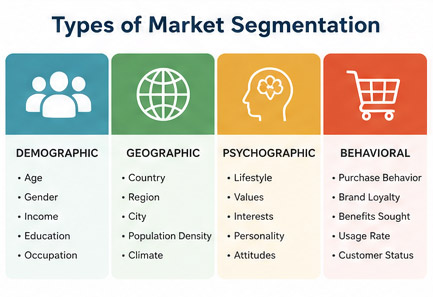
    Market segmentation is another important component of Apple’s marketing strategy. Apple often targets consumers who value premium design, innovative technology, and seamless user experience. These segments may include young professionals, students, and creative individuals who rely on smartphones for productivity, communication, and content creation. By focusing on consumers who prioritize quality and brand experience, Apple can maintain its premium pricing strategy while still attracting loyal customers.

    Understanding how consumer behavior influences purchasing decisions can help companies develop more effective marketing strategies. By examining Apple’s iPhone category, this project will explore how brand perception, segmentation strategies, and marketing communications influence the consumer buying process. This analysis will provide insights into how companies build strong brand loyalty and maintain competitive advantages in fast-moving technology markets.
     

    References:

    Babin, B. J., & Harris, E. G. (2022). CB: Consumer behavior (9th ed.). Cengage Learning.

    Apple Inc. (2024). Annual Report.

  • Digital Advertising Predictions

    Digital advertising is entering a transformative phase driven by evolving consumer behavior, emerging technologies, and increasing expectations around privacy and personalization. As mobile usage continues to dominate digital interactions, brands must adapt their advertising strategies to remain relevant and competitive. Over the next five years, three developments will have the most significant impact on digital advertising: artificial intelligence–driven personalization, mobile-first location-based engagement, and privacy-centered data strategies.

    1. Artificial Intelligence–Driven Personalization at Scale

    Artificial intelligence (AI) is rapidly becoming the engine behind modern digital advertising. AI allows brands to analyze large volumes of behavioral data in real time and deliver highly personalized messages across digital channels. According to McKinsey & Company (2023), companies that excel at personalization generate significantly more revenue than competitors who do not leverage advanced data capabilities.

    Consumers now expect brands to understand their preferences and anticipate their needs. Salesforce (2023) reports that 73% of customers expect companies to understand their unique needs and expectations. AI-driven advertising meets this demand by dynamically optimizing creative content, targeting, and bidding strategies.

    From a strategic perspective, personalization aligns with Zahay’s (2023) emphasis on connecting digital tactics to measurable customer value. Rather than delivering broad, generic messages, AI enables brands to create relevant experiences that increase engagement, improve conversion rates, and strengthen long-term customer relationships.

    2. Mobile-First and Location-Based Advertising Experiences

    Mobile devices have fundamentally changed how consumers interact with brands. Because smartphones are always accessible, mobile advertising enables brands to reach consumers at key decision-making moments. Over the next five years, location-based targeting and geo-fencing will become even more influential.

    Think with Google (2022) highlights the significant growth in “near me” searches, indicating that consumers frequently rely on mobile devices when seeking immediate solutions. Location-based advertising leverages this behavior by delivering contextually relevant messages based on a user’s physical proximity to a store, event, or service.

    This trend enhances digital advertising by bridging the gap between online engagement and offline action. For example, retailers can use mobile ads to drive in-store visits or push time-sensitive offers to nearby consumers. As Zahay (2023) explains, effective digital strategies align platform capabilities with consumer behavior. Mobile-first advertising does exactly that—meeting consumers where they already spend their time and making engagement frictionless.

    3. Privacy-Centered Data and Ethical Advertising Practices

    As personalization becomes more sophisticated, privacy concerns continue to grow. Regulatory changes, such as data protection laws and the decline of third-party cookies, are reshaping digital advertising measurement strategies. Over the next five years, brands that prioritize first-party data and transparent communication will have a competitive advantage.

    According to Deloitte (2023), organizations that focus on building digital trust are more likely to maintain long-term customer loyalty. Privacy-centered advertising encourages brands to rely on contextual targeting, consent-based data collection, and meaningful engagement metrics rather than invasive tracking.

    Zahay (2023) emphasizes that successful digital campaigns must align metrics with business objectives and measurable outcomes. In a privacy-first environment, advertisers will shift from vanity metrics toward performance indicators such as customer lifetime value, retention, and engagement quality. This evolution will enhance digital advertising by fostering sustainable, trust-based relationships between brands and consumers.

    Conclusion

    Digital advertising over the next five years will be shaped by the integration of artificial intelligence, mobile-first engagement strategies, and privacy-centered data practices. AI will deliver personalized experiences at scale, mobile technologies will connect digital interactions to real-world actions, and ethical data strategies will redefine how success is measured. Together, these developments will extend the effectiveness of digital advertising while aligning it more closely with evolving consumer expectations and measurable business outcomes.


    References

    Deloitte. (2023). Privacy and trust in digital marketing.

    McKinsey & Company. (2023). The value of getting personalization right.

    Salesforce. (2023). State of the connected customer.

    Think with Google. (2022). How people use mobile to search and shop.

    Zahay, D. (2023). Social media marketing: A strategic approach (3rd ed.). Cengage Learning.

  • Preliminary Findings and Limitations for the US Foods SmartCart Concept

    Preliminary Findings and Limitations for the US Foods SmartCart Concept

    As I continue developing the US Foods SmartCart concept, I have reached a stage in the research process where I can begin summarizing my early findings and identifying the opportunities, trends, strategies, and limitations that will shape the final marketing plan. This blog entry reflects my preliminary conclusions based on the survey I designed, the sampling plan I developed, and the insights gained so far from exploring the foodservice industry landscape.

    Preliminary Findings From Early Market Research

    Strong Interest in Automation and Efficiency

    Preliminary responses and industry insights indicate that restaurant owners, chefs, and kitchen managers consistently prioritize time savings, reduced errors, and fewer labor-intensive tasks. SmartCart’s promise to automate inventory tracking, streamline ordering, and reduce waste aligns well with current foodservice pain points.

    Growing Demand for Technology That Reduces Food Waste

    Food waste costs restaurants thousands of dollars per year. Early survey questions around pain points suggest that many operators struggle with:

    • Overstocking
    • Expired product
    • Manual inventory errors

    A SmartCart solution that integrates automatic counts and predictive ordering could directly address these concerns.

    Desire for Better Visibility Into Costs

    Many respondents and industry sources highlight that rising ingredient costs and inflation make budgeting more challenging. Tools that offer real-time cost monitoring and accurate forecasting are increasingly valuable. SmartCart’s analytics and integration with US Foods ordering platforms could meet this demand.

    High Compatibility With US Foods’ Existing Brand Strength

    US Foods already positions itself as an innovator in foodservice. Offering a SmartCart solution aligns naturally with its brand strategy to help foodservice operators “Make It.” This integration could strengthen customer loyalty and attract tech-forward operators.

    Market Trends Impacting the SmartCart Concept

    Rapid Digital Transformation in Foodservice

    More restaurants are adopting digital POS systems, online ordering, and inventory apps. SmartCart fits well into this technological shift.

    Labor Shortages

    Many kitchens operate with fewer employees than before. Automation tools that reduce repetitive tasks are becoming essential, not optional.

    Sustainability and ESG Pressures

    Operators are increasingly evaluated based on their waste management practices. A SmartCart that reduces spoilage supports sustainability goals.

    Rising Operational Costs

    Higher food costs and tighter profit margins increase the need for tools that improve efficiency and streamline ordering.

    Marketing Strategies to Promote SmartCart

    Based on these findings, the following strategies appear most effective:

    1. Value-Driven Messaging

    Emphasize the core benefits food operators care about:

    • Reduce food waste
    • Improve accuracy
    • Save time
    • Optimize costs

    2. Demonstration-Based Marketing

    Video walkthroughs, live demos, and case studies showcasing real kitchens are essential. Foodservice professionals respond strongly to practical, visual examples.

    3. Partnerships With Industry Associations

    Collaborate with restaurant associations, culinary schools, and foodservice tech organizations to build credibility.

    4. Targeted Digital Campaigns

    Run LinkedIn and Facebook campaigns targeting:

    • Restaurant owners
    • Kitchen managers
    • Culinary professionals
    • Hospitality groups

    Promote downloadable guides, demo invites, and SmartCart success stories.

    5. Pilot Program Strategy

    Offer early access or pilot programs to select restaurants, then use their testimonials to scale broader adoption.

    Limitations in the Current Research

    Because this is an academic project, several limitations should be acknowledged:

    1. Nonprobability Convenience Sample

    My sampling frame is based on accessible contacts and online groups rather than a randomized list. This may limit representativeness and introduce bias.

    2. Limited Sample Size

    Without access to a large professional panel of foodservice operators, the number of respondents may be smaller than a commercial study.

    3. Restricted Access to US Foods Customer Data

    I do not have access to US Foods’ internal analytics or sales data, which would normally inform customer segmentation and behavior patterns.

    4. Early-Stage Insights

    These findings are based on preliminary research, not full-scale deployment or A/B testing. Results may shift as additional data is collected.

    5. Survey Self-Reporting

    Respondents may overestimate their interest in automation or underestimate their current operational challenges.

    Conclusion

    Despite these limitations, the early research strongly suggests that the US Foods SmartCart addresses real and significant needs within the foodservice industry. The combination of labor shortages, rising food costs, and a growing push for digital innovation creates an ideal environment for a product that automates inventory, reduces waste, and improves cost transparency.

    As I move toward the final project, these preliminary findings will guide the marketing strategies and help shape a final set of recommendations that deliver value to US Foods and its customers.

  • US Foods: SmartCart – An AI-Powered Addition to the Check Business Tools Suite

    US Foods: SmartCart – An AI-Powered Addition to the Check Business Tools Suite

    Company Overview and Rationale for Selection

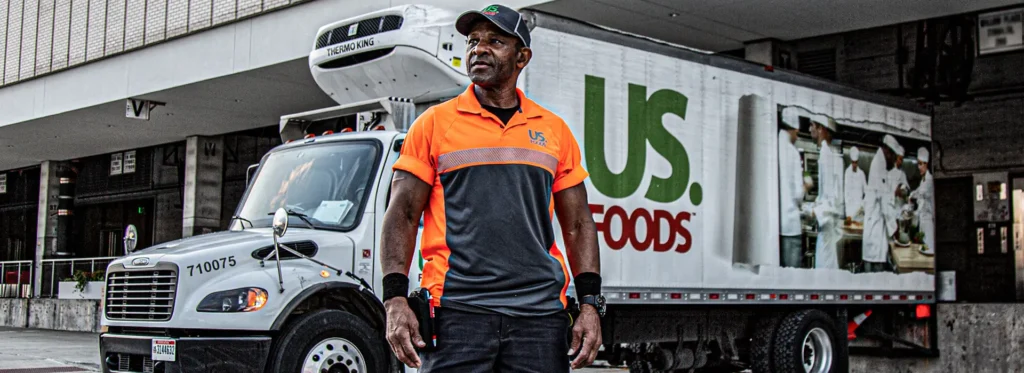
    I selected US Foods as the company for my marketing research project. US Foods is one of the largest foodservice distributors in the United States, serving restaurants, healthcare facilities, schools, and hospitality businesses nationwide. The company is known for its commitment to innovation, operational efficiency, and culinary partnership, offering both products and technology solutions that help independent restaurant owners manage their businesses more effectively (US Foods, 2025).

    I chose US Foods because I worked for the company for eight years and gained valuable insight into its marketing operations, customer relationships, and digital platforms. This firsthand experience gives me a meaningful perspective for applying marketing research principles to a company I understand deeply, while exploring how emerging technologies could strengthen its existing digital ecosystem.


    New Product Concept:
    SmartCart – AI-Powered Ordering Assistant

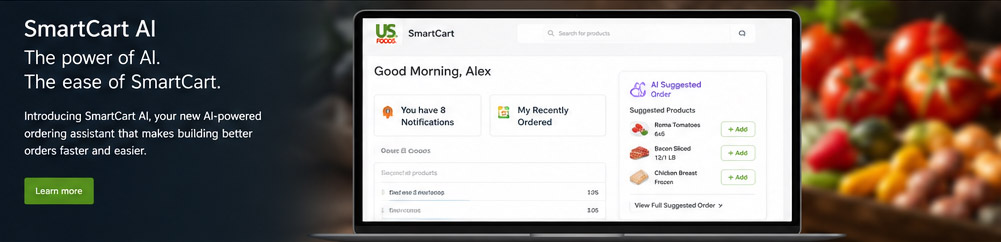
    The proposed concept, SmartCart, is a new AI-powered ordering feature designed to integrate into the existing US Foods Check Business Tools suite. The Check platform currently provides digital solutions such as Menu Profiler, Inventory Manager, and Customer Connect, which help restaurant owners optimize menu pricing, manage stock, and engage customers online (US Foods, 2025). SmartCart would complement these tools by acting as a predictive ordering assistant, analyzing order patterns, inventory data, and seasonal trends to provide intelligent product recommendations and purchasing forecasts.

    Key Features and Benefits:

    • Personalized Recommendations: Suggests items based on menu trends, historical orders, and seasonal demand.
    • Inventory Optimization: Predicts reorder needs and helps minimize waste.
    • Profitability Insights: Identifies high-margin products and potential substitutions.
    • Seamless Integration: Works directly within the US Foods digital dashboard and mobile app.

    This innovation would enhance the value of the Check Business Tools suite by providing smarter, faster, and more proactive inventory management for independent restaurant owners, one of the fastest-growing customer segments in the foodservice industry.


    Research Objectives

    The purpose of this research is to evaluate market acceptance, perceived value, and adoption potential for the SmartCart feature within the Check Business Tools suite (Hair, 2023).

    Specific Objectives:

    • Assess restaurant owners’ awareness and openness to AI-driven ordering tools.
    • Identify pain points with current digital ordering processes.
    • Determine whether SmartCart’s features align with real operational needs.
    • Measure perceived usefulness and willingness to adopt the technology.
    • Evaluate how SmartCart could strengthen US Foods’ competitive position relative to Sysco and Performance Food Group.

    Competition

    US Foods competes with major players such as Sysco, Performance Food Group (PFG), and Gordon Food Service, all of which provide digital ordering tools to improve customer efficiency (US Foods, 2025). Sysco offers Sysco Shop, an online ordering platform with product recommendations and inventory tracking, but it lacks deep AI integration. PFG’s Performance Connect focuses on ease of use and pricing transparency, yet offers limited predictive analytics. Gordon Food Service emphasizes personalized customer support but is less advanced technologically.

    SmartCart’s differentiation lies in its AI-driven predictive intelligence, designed to deliver personalized, data-backed insights that help customers make better ordering decisions, something competitors have yet to fully implement.


    External Factors

    Several external factors could influence the success of SmartCart:
    Economic: Inflation and rising ingredient costs increase the need for smarter ordering to reduce waste and control expenses.
    Technological: Advances in artificial intelligence and data analytics make predictive ordering tools increasingly practical.
    Environmental: Sustainability initiatives are driving interest in tools that help minimize food waste.
    Social: The post-pandemic shift toward automation and digital solutions has accelerated restaurant adoption of technology.
    Regulatory: Data privacy laws (such as CCPA and GDPR) will influence how customer and order data are managed within the platform (Hair, 2023).


    Type of Research and Data Collection

    This study will use a mixed-method research design, combining exploratory, descriptive, and causal research to ensure a comprehensive understanding of customer attitudes and behaviors (Hair, 2023).

    Primary Research:

    • Qualitative: Conduct interviews and focus groups with independent restaurant owners and operators to understand challenges in ordering and inventory management.
    • Quantitative: Launch a survey across a larger sample of US Foods customers to measure awareness, interest, and willingness to use AI-driven features.
    • Experimental: Test a prototype version of SmartCart within the Check Business Tools app with a pilot group of customers to monitor usability and impact on efficiency.

    Secondary Research:

    • Review industry reports, technology adoption studies, and competitor data to benchmark performance and identify emerging opportunities in digital foodservice management.
    • Evaluate external market conditions such as economic trends and regulatory compliance.

    Conclusion

    Marketing research will determine whether integrating SmartCart into the Check Business Tools suite is both viable and valuable for US Foods and its customers. By gathering quantitative and qualitative data, US Foods can validate customer interest, refine product features, and make informed decisions before a full-scale launch. This approach ensures that innovation is guided by evidence-based insight rather than assumption (Hair, 2023).


    References:

    Hair, J. F. (2023). Essentials of Marketing Research (6th ed.). McGraw-Hill Higher Education.

    US Foods. (2025). Check Business Tools. https://www.usfoods.com/our-services/check.html