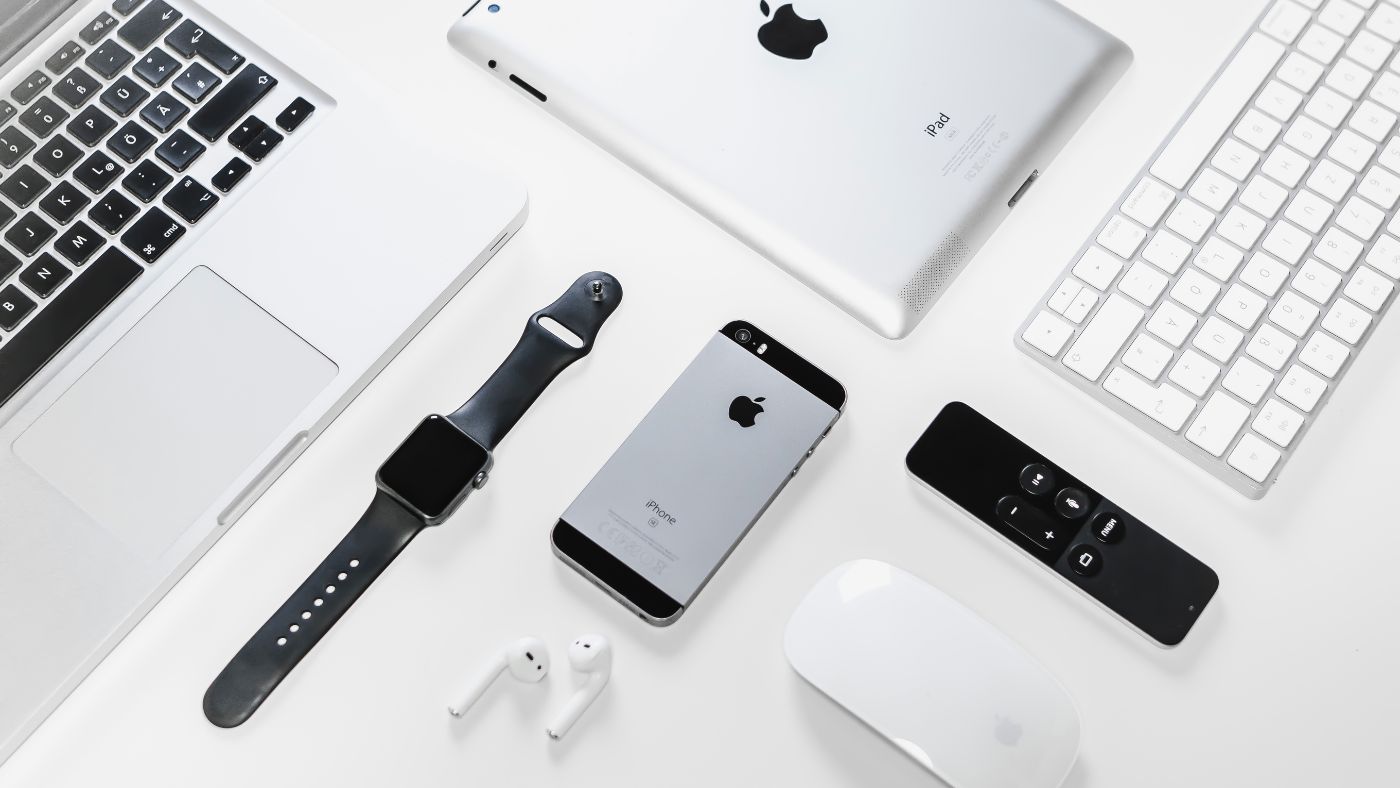
For my final project in this course, I selected Apple Inc. as the company I will analyze. Apple is one of the most influential technology companies in the world and has developed a reputation for innovation, premium product design, and strong customer loyalty. Because of its strong brand identity and loyal customer base, Apple provides an excellent example of how companies use consumer behavior insights to influence purchasing decisions.
The specific product category I will focus on is Apple’s iPhone smartphone line. Smartphones have become an essential part of everyday life and are used for communication, entertainment, work productivity, and social interaction. Because of their widespread use and rapid innovation cycles, smartphones represent an ideal product category for analyzing how consumer behavior shapes marketing strategies.
One key concept in consumer behavior is that purchasing decisions are not driven solely by functional needs but also by emotional and psychological factors. According to Babin and Harris (2022), consumer behavior includes the processes individuals use to select, purchase, use, and evaluate products and services that satisfy their needs and desires. In the smartphone market, consumers often evaluate devices based on technical features such as camera quality, performance, and battery life. However, brand identity, design, and perceived social status also play an important role in the decision-making process.
Another important factor influencing consumer behavior is Apple’s ecosystem strategy. Apple integrates its hardware, software, and services, including products such as MacBooks, Apple Watches, AirPods, and iCloud, into a seamless digital environment. This interconnected ecosystem encourages repeat purchases and strengthens brand loyalty because consumers benefit from compatibility and convenience across multiple devices. As consumers become more invested in the ecosystem, switching to competing brands may feel less appealing due to familiarity and perceived value.
Consumer decision-making can also be analyzed through the consumer buying process, which typically includes five stages: problem recognition, information search, evaluation of alternatives, purchase decision, and post-purchase evaluation (Babin & Harris, 2022). Apple’s marketing strategies align closely with these stages. For example, product launch events and advertising campaigns help generate excitement and awareness during the problem recognition stage. Online reviews, product comparisons, and social media discussions support the information search stage, while Apple’s website and retail stores simplify the purchase process.
Market segmentation is another important component of Apple’s marketing strategy. Apple often targets consumers who value premium design, innovative technology, and seamless user experience. These segments may include young professionals, students, and creative individuals who rely on smartphones for productivity, communication, and content creation. By focusing on consumers who prioritize quality and brand experience, Apple can maintain its premium pricing strategy while still attracting loyal customers.
Understanding how consumer behavior influences purchasing decisions can help companies develop more effective marketing strategies. By examining Apple’s iPhone category, this project will explore how brand perception, segmentation strategies, and marketing communications influence the consumer buying process. This analysis will provide insights into how companies build strong brand loyalty and maintain competitive advantages in fast-moving technology markets.
References:
Babin, B. J., & Harris, E. G. (2022). CB: Consumer behavior (9th ed.). Cengage Learning.
Apple Inc. (2024). Annual Report.