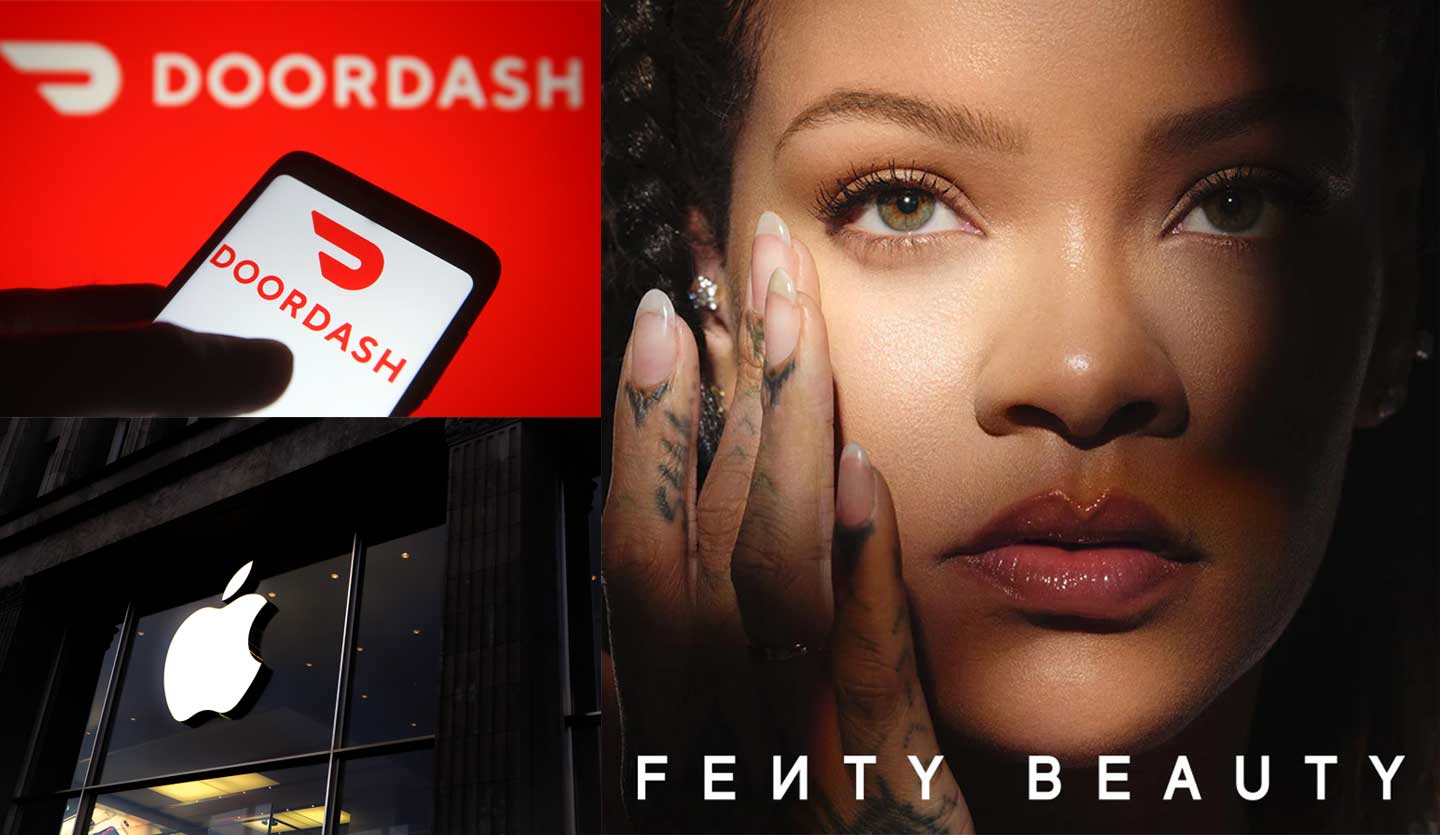
Branding plays a major role in how consumers perceive and connect with companies. One of the most effective tools used to build brand equity and maintain market relevance is the marketing mix, commonly known as the 4P’s: product, price, promotion, and place. Strategic brand managers must understand how to adapt these elements based on whether a brand is in development, growth, or maturity. The following examples demonstrate how different companies apply the marketing mix to support brand success throughout the brand life cycle.
Brand Development and Launch: Fenty Beauty
Fenty Beauty is an excellent example of a brand in the development and launch stage. Since its launch, the company has differentiated itself through inclusivity, innovation, and strong brand identity. The brand’s mission focuses on creating beauty products that serve a wide range of skin tones and consumer needs.
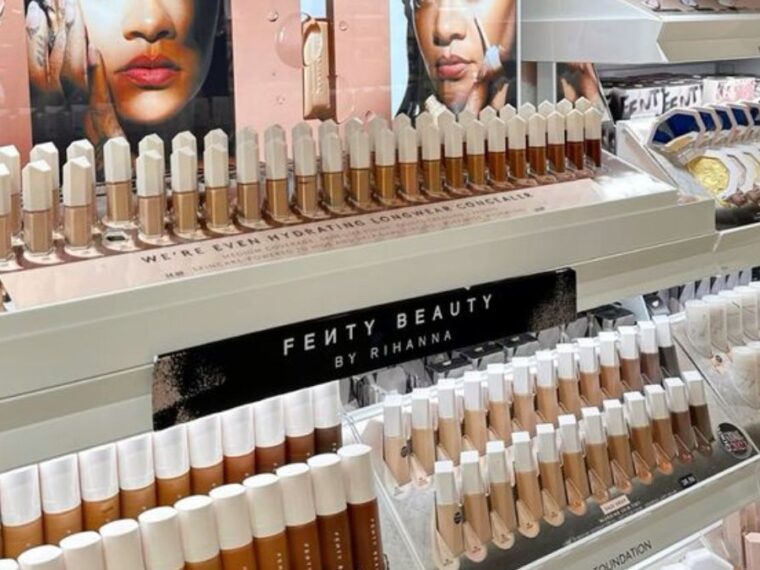
One of the most important marketing mix elements applied at this stage is the product strategy. Fenty Beauty introduced a highly inclusive foundation line that immediately differentiated the brand from competitors within the cosmetics industry. The company’s pricing strategy positions the brand as premium yet accessible, helping attract younger consumers while maintaining a high-quality image. Promotion heavily relies on social media marketing, influencer collaborations, celebrity branding, and user-generated content. In terms of place, the products are distributed online and through selective retail partnerships such as Sephora, helping reinforce the brand’s prestige positioning.
These marketing mix elements help increase consumer perception by positioning Fenty Beauty as modern, inclusive, and innovative. Consumers view the brand as authentic and socially aware because it directly addresses diversity and representation within the beauty industry. This positive perception contributes to growing brand equity and strong emotional connections with consumers.
Brand Growth: DoorDash
DoorDash represents a brand in the growth stage of the brand life cycle. The company has rapidly expanded within the food delivery industry and continues to grow by focusing on convenience, accessibility, and customer experience.

The product element of the marketing mix includes food delivery services, grocery delivery, and partnerships with local businesses and national restaurant chains. DoorDash uses competitive pricing strategies, promotions, discounts, and subscription programs such as DashPass to attract and retain customers. Promotion is heavily focused on digital advertising, app-based marketing, social media campaigns, and partnerships with restaurants and retailers. The place strategy is one of the company’s strongest advantages because consumers can conveniently access services through smartphones and digital platforms.
DoorDash uses these marketing mix elements to increase consumer perception by emphasizing speed, convenience, and reliability. The company’s focus on customer convenience helps strengthen customer loyalty and improve brand equity. Additionally, its continued expansion into grocery and retail delivery services supports its growth while reinforcing its position as a leading delivery platform.
Brand Maturity: Apple
Apple is an example of a mature brand with substantial brand equity and strong customer loyalty. The company consistently applies the marketing mix to maintain its premium positioning and emotional connection with consumers.
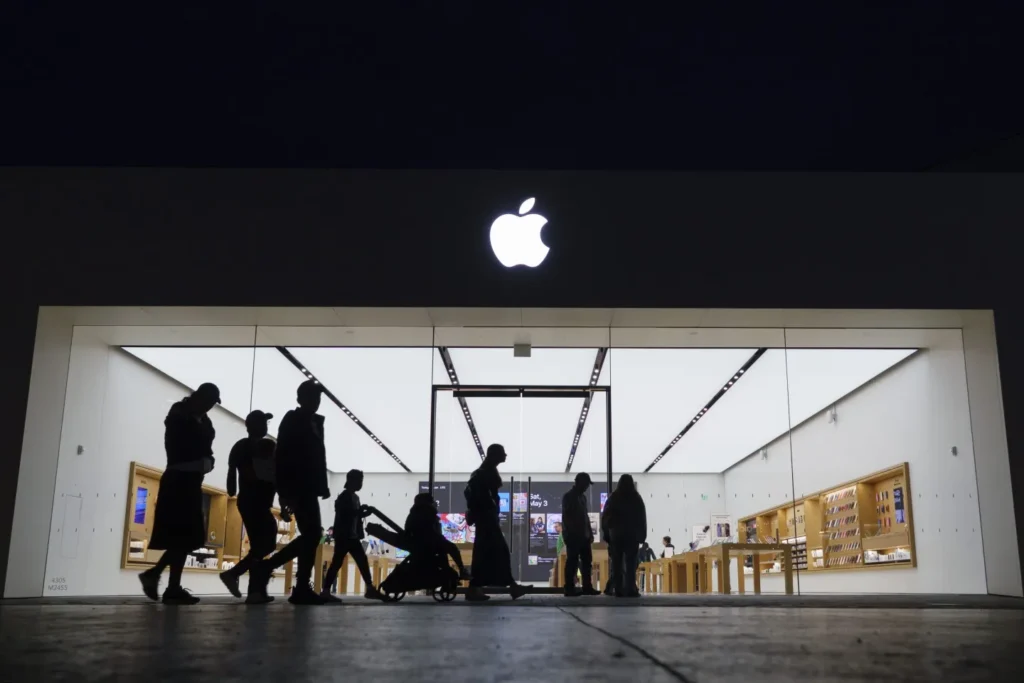
Apple’s product strategy emphasizes innovation, sleek design, premium quality, and seamless integration across devices such as the iPhone, iPad, Mac, and Apple Watch. The company uses premium pricing to reinforce exclusivity and perceived value. Apple’s promotional strategy focuses heavily on emotional storytelling, simplicity, and user experience rather than emphasizing technical specifications alone. In terms of place, Apple products are distributed through Apple retail stores, the company’s website, mobile applications, and authorized retailers worldwide.
These marketing mix strategies strengthen consumer perception by reinforcing Apple’s reputation for quality, innovation, and reliability. Apple’s ecosystem integration creates convenience and encourages long-term customer loyalty because consumers can seamlessly connect multiple devices and services together. As a result, Apple continues to maintain one of the strongest brand identities and highest levels of brand equity in the global technology industry.
Conclusion
The marketing mix plays a critical role in shaping brand identity and increasing brand equity throughout the brand life cycle. Whether a company is launching a new brand, expanding through growth, or maintaining long-term maturity, the 4P’s provide a strategic framework for connecting with consumers and strengthening market position. Fenty Beauty, DoorDash, and Apple each demonstrate how brands can successfully apply product, price, promotion, and place strategies to increase consumer perception and build strong brand equity at different stages of the brand life cycle.
References
Apple. (2026). Apple. https://www.apple.com/
DoorDash. (2026). Company. https://about.doordash.com/en-us/company
Fenty Beauty. (2026). About the brands. https://fentybeauty.com/pages/about-the-brands
Wheeler, A., & Meyerson, R. (2024). Designing brand identity: A comprehensive guide to the world of brands and branding (6th ed.). John Wiley & Sons.
Leave a Reply
You must be logged in to post a comment.