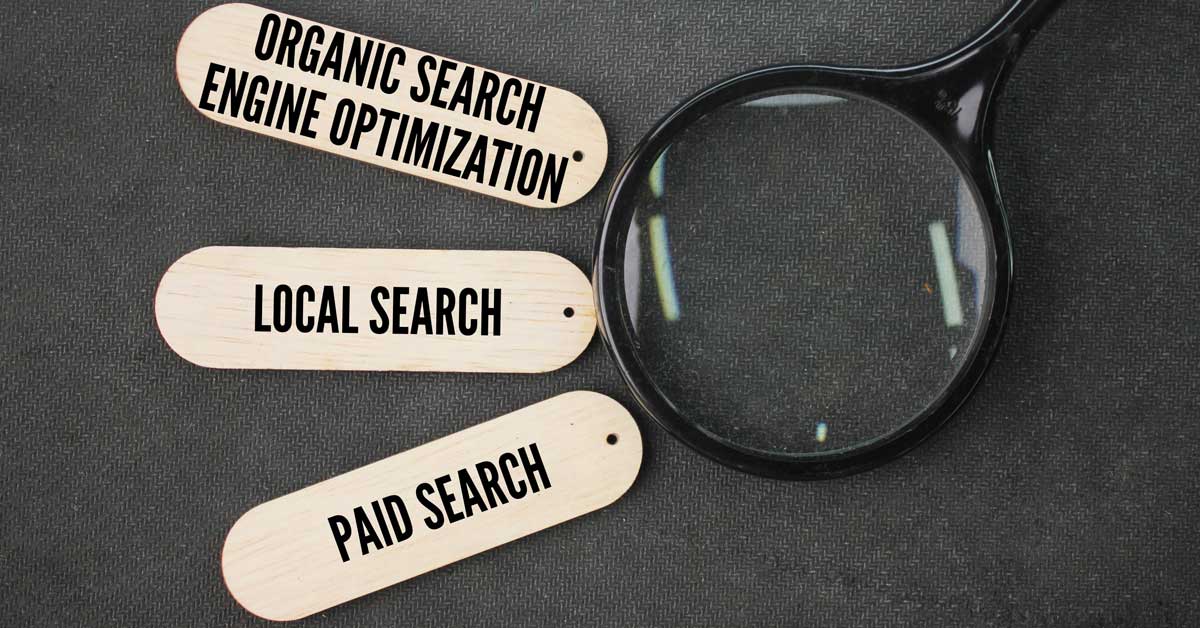
In today’s digital marketplace, one of the first questions clients often ask is: “Should we invest in paid advertising or focus on organic search?” The answer is not always simple. Search engine optimization (SEO) and search engine marketing (SEM) are both essential tools for building visibility online, but they work differently and carry their own pros, cons, and ethical considerations. To set clear expectations, it’s important to break down the strengths of each approach, highlight common pitfalls, and demonstrate why ethical practices are the only sustainable path forward.
Paid vs. Organic: What’s the Difference?
Paid strategies (SEM) focus on quick visibility. Through pay-per-click (PPC) campaigns, businesses can place ads at the top of search results almost immediately. This is ideal for new product launches, seasonal promotions, or when a brand needs to gain traction fast. However, paid strategies can be expensive, highly competitive, and only last as long as the budget does.
Organic strategies (SEO) take more time but build long-term credibility. By optimizing website structure, creating valuable content, and earning backlinks, businesses can improve their rankings naturally. Organic SEO does not provide instant results, it may take several months to see measurable growth, but the payoff is long-lasting visibility, stronger user trust, and lower long-term costs (SEO Mechanic, 2023).
In most cases, the best strategy combines both: paid campaigns to drive immediate traffic while organic SEO builds a sustainable foundation.
Pros and Cons at a Glance
- Paid (SEM):
- Pros: Instant results, precise targeting, strong visibility.
- Cons: Costly over time, results vanish when ads stop, highly competitive.
- Organic (SEO):
- Pros: Builds trust and authority, sustainable growth, cost-effective long-term.
- Cons: Takes months to show results, requires ongoing effort and expertise.

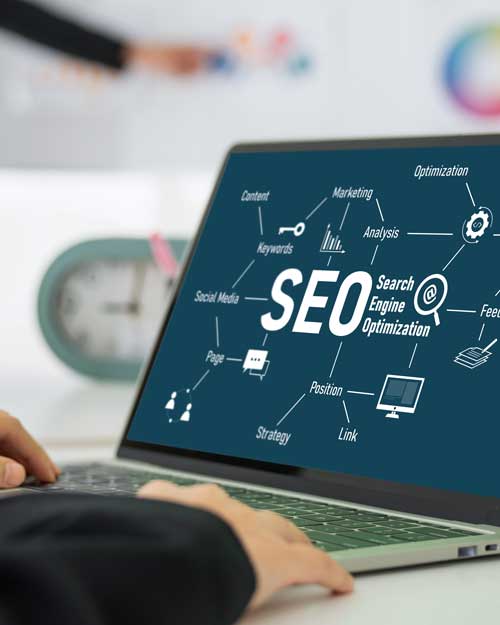
A helpful analogy for clients is to compare paid and organic strategies to housing: paid advertising is like renting an apartment, fast and convenient, but temporary. Organic SEO is like building a home, slower and more effort upfront, but the long-term value is yours to keep.
Ethical vs. Unethical Practices
While both paid and organic strategies can be effective, the real distinction comes down to how they are executed.
Ethical SEO/SEM, sometimes called white-hat practices, focuses on creating genuine value for users. Examples include:
- Writing high-quality, relevant content
- Using keywords naturally and strategically
- Earning backlinks from credible sources
- Running ads transparently without misleading claims
Unethical tactics, or black-hat SEO, are designed to manipulate search rankings or mislead users. Examples include:
- Keyword stuffing (overloading content with repetitive keywords)
- Cloaking (showing different content to search engines than to users)
- Link farms (buying or exchanging low-quality backlinks)
- Fake reviews or click fraud in ad campaigns
A well-known case of unethical SEO came from J.C. Penney in 2011, when the company was penalized by Google for using paid link schemes to artificially boost its search rankings. Despite temporarily gaining visibility, the brand’s credibility took a major hit once the practice was exposed (Segal, 2011).
Why Ethics Matter

The temptation to use shortcuts is real, especially when clients want fast results. However, the risks of unethical SEO/SEM far outweigh the rewards. Search engines like Google continue to update their algorithms to detect and penalize manipulation, meaning unethical practices often lead to penalties, lost rankings, and damaged reputations.
On the other hand, ethical practices build trust and credibility, not only with search engines but also with customers. A transparent, user-focused approach ensures sustainable growth, stronger customer relationships, and a better return on investment over time (DeMers, 2015).
Conclusion: Setting Clear Client Expectations
When guiding clients through the paid vs. organic debate, clarity is key. Paid campaigns deliver speed, while organic SEO builds stability. Ethical practices ensure that both approaches support long-term brand growth. By setting realistic expectations, emphasizing patience, transparency, and trust, marketers can position SEO and SEM as complementary strategies that work best together.
Ultimately, the choice isn’t paid or organic, it’s about aligning both with an ethical, client-focused approach that delivers results today while building credibility for tomorrow.
References
DeMers, J. (2015, January 13). How to set realistic expectations for your SEO campaign. Forbes. https://www.forbes.com/sites/jaysondemers/2015/01/13/how-to-set-realistic-expectations-for-your-seo-campaign/
Segal, D. (2011, February 12). The dirty little secrets of search. The New York Times. https://www.nytimes.com/2011/02/13/business/13search.html
SEO Mechanic. (2023). SEO 101: How long does SEO take? https://www.seomechanic.com/seo-101-how-long-does-seo-take/
Leave a Reply
You must be logged in to post a comment.