Category: MKT 400 – Strategic Brand Management

  • Consumer Engagement and Brand Trust: Lessons From Peloton’s Product Safety Crisis

    Consumer Engagement and Brand Trust: Lessons From Peloton’s Product Safety Crisis

    Consumer engagement is one of the most valuable assets a brand can develop. Engaged consumers not only purchase products and services but also advocate for brands, share experiences on social media, and influence the decisions of others. However, when a brand faces ethical or legal challenges, consumer trust can be damaged, directly affecting engagement and long-term brand equity. Peloton provides a strong example of how ethical and legal issues can influence consumer perceptions and reshape engagement with a brand.

    Peloton built its reputation on creating an interactive fitness community that combined innovative technology, premium equipment, and engaging instructors. Through connected fitness experiences, Peloton successfully developed strong consumer relationships and fostered a loyal member community. Consumers were not only purchasing exercise equipment but also becoming part of a lifestyle-oriented brand focused on wellness, motivation, and community engagement.

    However, Peloton faced significant legal and ethical challenges in 2021 when concerns emerged regarding the safety of its Tread+ treadmill. Reports of injuries and the death of a child led to increased scrutiny from the U.S. Consumer Product Safety Commission (CPSC) and ultimately resulted in a voluntary product recall (Peloton, 2021). The situation generated widespread media attention and raised questions about product safety, corporate responsibility, and the company’s response to consumer concerns.

    These issues significantly influenced consumer perceptions of the brand. Peloton had positioned itself as a company dedicated to improving consumers’ health and well-being. As safety concerns became public, some consumers questioned whether the company had adequately prioritized customer safety. According to research on unethical brand behavior, ethical failures often create signaling effects that lead stakeholders to reassess their trust in a company and its products. Negative publicity surrounding the treadmill recall created uncertainty among existing customers and potential buyers, impacting overall perceptions of the brand.

    Consumer engagement was also affected during this period. Social media conversations shifted from discussions about fitness achievements and community participation to concerns regarding product safety and corporate accountability. While many loyal members remained committed to the Peloton ecosystem, the controversy reduced positive brand advocacy and generated negative electronic word-of-mouth. In today’s digital environment, consumer-generated content plays a major role in shaping brand reputation, making ethical and legal issues especially damaging when they become highly visible online (Corporate Branding and Reputation Management, n.d.).

    The ultimate implications for Peloton included reputational damage, reduced consumer confidence, increased regulatory scrutiny, and financial consequences associated with the recall. The company also faced challenges maintaining the strong brand equity it had built during its rapid growth period. Although Peloton continued to maintain a dedicated user base, rebuilding trust became a critical strategic priority.

    Peloton could have responded differently by implementing more proactive product safety measures and addressing concerns earlier in the process. Enhanced product testing, quicker collaboration with regulatory agencies, and more transparent communication with consumers may have reduced the severity of the crisis. In addition, the company could have reinforced its commitment to customer safety through regular updates, educational content, and direct engagement with affected consumers. Research suggests that organizations that communicate openly and demonstrate accountability during crises are more likely to preserve stakeholder trust and support long-term reputation recovery (Coombs, 2021).

    The Peloton case demonstrates that consumer engagement is closely connected to ethical decision-making and brand trust. While innovative products and strong communities can create valuable relationships with consumers, those relationships can be weakened when a company fails to meet stakeholder expectations. Brands that prioritize transparency, accountability, and consumer well-being are better positioned to sustain engagement and maintain strong brand equity throughout their life cycle.

    References

    Coombs, W. T. (2021). Ongoing crisis communication: Planning, managing, and responding (6th ed.). SAGE Publications.

    Peloton. (2021). Tread+ voluntary recall. Retrieved from https://www.onepeloton.com

    Wheeler, A., & Meyerson, R. (2024). Designing brand identity: A comprehensive guide to the world of brands and branding (6th ed.). John Wiley & Sons.

    When Brands Behave Badly: Signaling and Spillover Effects of Unethical Behavior in the Context of Triple Bottom Line Sustainability.

    Corporate Branding and Reputation Management: Cultivating Trust and Competitive Advantage in a Digital Age.

    U.S. Consumer Product Safety Commission. (2021). CPSC and Peloton announce voluntary recall of Peloton Tread+ treadmill. Retrieved from https://www.cpsc.gov


  • The Importance of Brand Positioning: How Tesla Built a Powerful Brand Identity

    The Importance of Brand Positioning: How Tesla Built a Powerful Brand Identity

    In today’s competitive marketplace, successful companies must do more than simply sell products or services. Brands must create a unique identity that clearly communicates who they are, what they stand for, and why consumers should choose them over competitors. This process is known as brand positioning. Strong brand positioning helps organizations build customer loyalty, strengthen brand equity, and differentiate themselves within crowded industries. One company that has successfully positioned itself through its brand name, logo, innovation, and mission is Tesla.

    Tesla’s Mission and Vision

    Tesla’s mission is “to accelerate the world’s transition to sustainable energy” (Tesla, n.d.). Unlike traditional automotive companies that focus primarily on transportation, Tesla positions itself as both a technology company and a sustainability leader. The company’s vision centers around innovation, clean energy, and the future of transportation. This mission is consistently reflected throughout Tesla’s branding, product development, and marketing strategy.

    Tesla has successfully created a brand identity that appeals to consumers who value innovation, environmental responsibility, and premium technology. The company’s vehicles are not marketed simply as electric cars; instead, they are positioned as advanced technological experiences that represent the future of mobility. This clear and focused positioning helps Tesla stand apart from competitors in the automotive industry.

    How Tesla Differentiates Itself From Competitors

    One of Tesla’s greatest strengths is its ability to differentiate itself from competitors such as Ford, Toyota, and General Motors. Traditional automakers often compete on reliability, affordability, or fuel efficiency, while Tesla focuses heavily on innovation, performance, sustainability, and technology integration.

    Tesla vehicles include several features that strengthen the company’s brand positioning, including:

    • Advanced battery technology
    • Over-the-air software updates
    • Minimalist vehicle design
    • Autopilot and self-driving capabilities
    • High-performance electric vehicles

    These features create strong Points of Differentiation (PODs) that separate Tesla from traditional automotive brands. Tesla positions its products as premium, futuristic, and environmentally responsible, which allows the company to build strong emotional connections with consumers and justify premium pricing.

    At the same time, Tesla maintains important Points of Parity (POPs) by continuing to meet the standard expectations consumers have for automobiles, including safety, convenience, reliability, and performance. Maintaining this balance between differentiation and category expectations is critical for successful brand positioning.

    The Role of Tesla’s Name and Logo in Brand Positioning

    Tesla’s brand name plays a significant role in communicating its identity. The company was named after Nikola Tesla, an inventor known for his groundbreaking work in electricity and engineering. This naming strategy immediately creates associations with intelligence, innovation, and technological advancement. Even consumers who are unfamiliar with the full history of Nikola Tesla may still associate the name with science and futuristic thinking.

    The Tesla logo also supports the company’s positioning strategy. The sleek, minimalist “T” logo reflects modern design and simplicity, which aligns with Tesla’s overall visual identity. The company consistently uses clean design elements throughout its vehicles, website, advertising, and retail locations. This consistency strengthens brand recognition and supports the premium image Tesla wants consumers to perceive.

    Tesla’s branding successfully communicates innovation and exclusivity to consumers, competitors, and stakeholders. The company has built a recognizable identity that extends beyond automobiles into technology and sustainable energy solutions.

    Why Tesla’s Brand Positioning Works

    Tesla succeeds because its entire brand ecosystem supports a consistent message. Every aspect of the company, including its mission, products, logo, messaging, and customer experience, reinforces the same core identity centered around innovation and sustainability. According to Wheeler and Meyerson (2024), successful brands create differentiation by aligning brand identity with strategic positioning and meaningful consumer experiences. Tesla demonstrates this concept effectively through its consistent and recognizable branding strategy.

    Another reason Tesla’s positioning is successful is the company’s ability to create strong emotional appeal. Consumers often view Tesla ownership as representing innovation, status, environmental responsibility, and forward-thinking values. This emotional connection strengthens customer loyalty and contributes to Tesla’s strong brand equity.

    Brands with weak positioning strategies often fail because they lack consistency or differentiation. When companies do not clearly communicate their value or identity, consumers may struggle to understand what makes the brand unique. Weak positioning can result in confusion, reduced customer loyalty, and difficulty competing within the marketplace. Tesla avoids these challenges by maintaining a clear and focused brand strategy across all customer touchpoints.

    Brand Naming Strategies and Their Impact

    One important strategy Tesla demonstrates when developing a brand name is symbolic naming. Symbolic names create associations that reinforce the brand’s mission and identity. By choosing the name Tesla, the company connects itself to innovation, science, and electricity, all of which support its positioning within the automotive and energy industries.

    Another strategy Tesla uses effectively is simplicity and memorability. Tesla is a short, distinctive, and easy-to-pronounce name that consumers can quickly recognize and remember. Strong brand names improve brand awareness and help companies stand out from competitors in crowded industries.

    These naming strategies contribute significantly to Tesla’s successful positioning because they support the company’s innovative and futuristic brand image.

    Conclusion

    Brand positioning plays a critical role in helping companies differentiate themselves and build long-term customer loyalty. Tesla has successfully positioned itself as an innovative and sustainability-focused brand through its mission, products, logo, and naming strategy. By consistently communicating a clear identity centered around technology and environmental responsibility, Tesla has developed strong brand equity and emotional connections with consumers. The company’s success demonstrates how effective brand positioning can strengthen competitive advantage and create a powerful, recognizable brand within a highly competitive marketplace.

    References

    Tesla. (n.d.). About Tesla. Tesla

    Wheeler, A., & Meyerson, R. (2024). Designing brand identity: A comprehensive guide to the world of brands and branding (6th ed.). John Wiley & Sons.

  • How Brands Apply the Marketing Mix Across the Brand Life Cycle

    How Brands Apply the Marketing Mix Across the Brand Life Cycle

    Branding plays a major role in how consumers perceive and connect with companies. One of the most effective tools used to build brand equity and maintain market relevance is the marketing mix, commonly known as the 4P’s: product, price, promotion, and place. Strategic brand managers must understand how to adapt these elements based on whether a brand is in development, growth, or maturity. The following examples demonstrate how different companies apply the marketing mix to support brand success throughout the brand life cycle.

    Brand Development and Launch: Fenty Beauty

    Fenty Beauty is an excellent example of a brand in the development and launch stage. Since its launch, the company has differentiated itself through inclusivity, innovation, and strong brand identity. The brand’s mission focuses on creating beauty products that serve a wide range of skin tones and consumer needs.

    One of the most important marketing mix elements applied at this stage is the product strategy. Fenty Beauty introduced a highly inclusive foundation line that immediately differentiated the brand from competitors within the cosmetics industry. The company’s pricing strategy positions the brand as premium yet accessible, helping attract younger consumers while maintaining a high-quality image. Promotion heavily relies on social media marketing, influencer collaborations, celebrity branding, and user-generated content. In terms of place, the products are distributed online and through selective retail partnerships such as Sephora, helping reinforce the brand’s prestige positioning.

    These marketing mix elements help increase consumer perception by positioning Fenty Beauty as modern, inclusive, and innovative. Consumers view the brand as authentic and socially aware because it directly addresses diversity and representation within the beauty industry. This positive perception contributes to growing brand equity and strong emotional connections with consumers.

    Brand Growth: DoorDash

    DoorDash represents a brand in the growth stage of the brand life cycle. The company has rapidly expanded within the food delivery industry and continues to grow by focusing on convenience, accessibility, and customer experience.

    The product element of the marketing mix includes food delivery services, grocery delivery, and partnerships with local businesses and national restaurant chains. DoorDash uses competitive pricing strategies, promotions, discounts, and subscription programs such as DashPass to attract and retain customers. Promotion is heavily focused on digital advertising, app-based marketing, social media campaigns, and partnerships with restaurants and retailers. The place strategy is one of the company’s strongest advantages because consumers can conveniently access services through smartphones and digital platforms.

    DoorDash uses these marketing mix elements to increase consumer perception by emphasizing speed, convenience, and reliability. The company’s focus on customer convenience helps strengthen customer loyalty and improve brand equity. Additionally, its continued expansion into grocery and retail delivery services supports its growth while reinforcing its position as a leading delivery platform.

    Brand Maturity: Apple

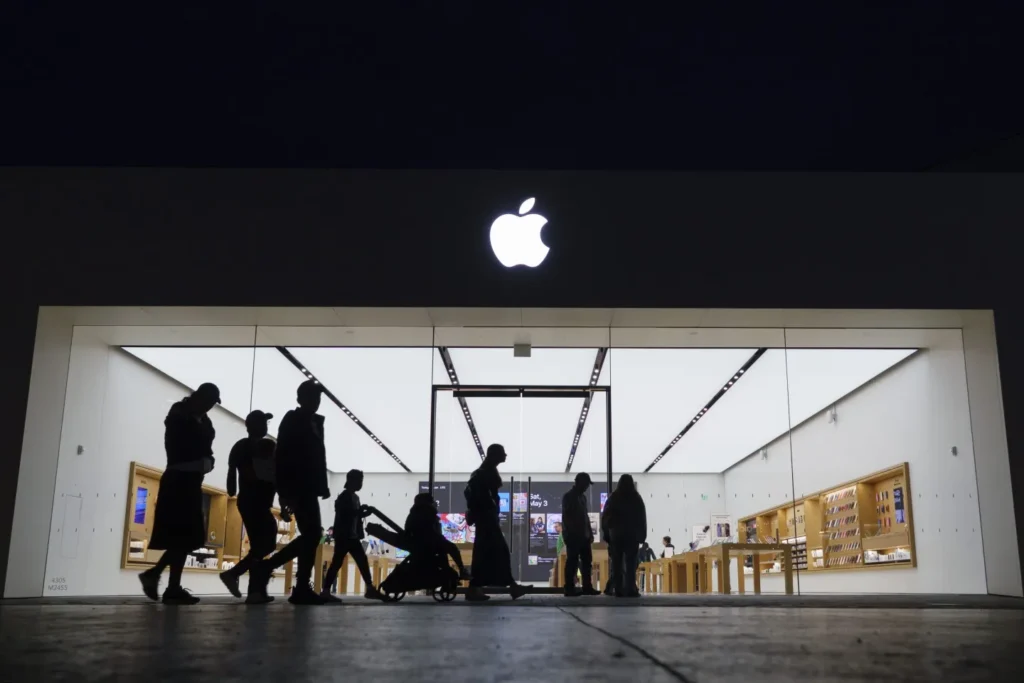
    Apple is an example of a mature brand with substantial brand equity and strong customer loyalty. The company consistently applies the marketing mix to maintain its premium positioning and emotional connection with consumers.

    Apple’s product strategy emphasizes innovation, sleek design, premium quality, and seamless integration across devices such as the iPhone, iPad, Mac, and Apple Watch. The company uses premium pricing to reinforce exclusivity and perceived value. Apple’s promotional strategy focuses heavily on emotional storytelling, simplicity, and user experience rather than emphasizing technical specifications alone. In terms of place, Apple products are distributed through Apple retail stores, the company’s website, mobile applications, and authorized retailers worldwide.

    These marketing mix strategies strengthen consumer perception by reinforcing Apple’s reputation for quality, innovation, and reliability. Apple’s ecosystem integration creates convenience and encourages long-term customer loyalty because consumers can seamlessly connect multiple devices and services together. As a result, Apple continues to maintain one of the strongest brand identities and highest levels of brand equity in the global technology industry.

    Conclusion

    The marketing mix plays a critical role in shaping brand identity and increasing brand equity throughout the brand life cycle. Whether a company is launching a new brand, expanding through growth, or maintaining long-term maturity, the 4P’s provide a strategic framework for connecting with consumers and strengthening market position. Fenty Beauty, DoorDash, and Apple each demonstrate how brands can successfully apply product, price, promotion, and place strategies to increase consumer perception and build strong brand equity at different stages of the brand life cycle.

    References

    Apple. (2026). Apple. https://www.apple.com/

    DoorDash. (2026). Company. https://about.doordash.com/en-us/company

    Fenty Beauty. (2026). About the brands. https://fentybeauty.com/pages/about-the-brands

    Wheeler, A., & Meyerson, R. (2024). Designing brand identity: A comprehensive guide to the world of brands and branding (6th ed.). John Wiley & Sons.