
Consumer engagement is one of the most valuable assets a brand can develop. Engaged consumers not only purchase products and services but also advocate for brands, share experiences on social media, and influence the decisions of others. However, when a brand faces ethical or legal challenges, consumer trust can be damaged, directly affecting engagement and long-term brand equity. Peloton provides a strong example of how ethical and legal issues can influence consumer perceptions and reshape engagement with a brand.
Peloton built its reputation on creating an interactive fitness community that combined innovative technology, premium equipment, and engaging instructors. Through connected fitness experiences, Peloton successfully developed strong consumer relationships and fostered a loyal member community. Consumers were not only purchasing exercise equipment but also becoming part of a lifestyle-oriented brand focused on wellness, motivation, and community engagement.
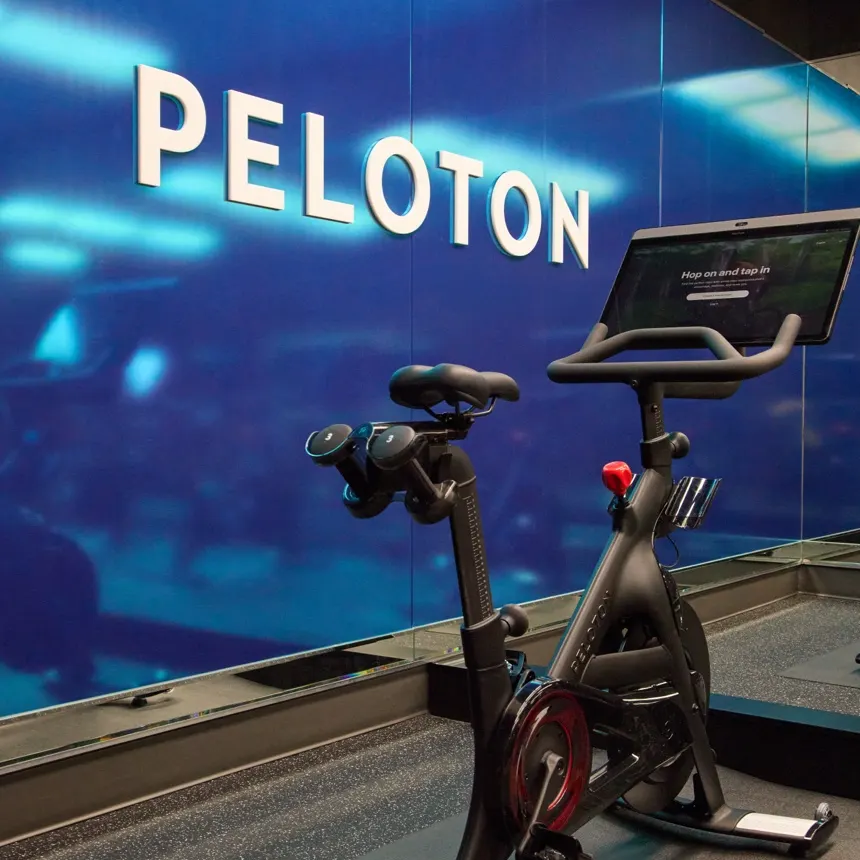
However, Peloton faced significant legal and ethical challenges in 2021 when concerns emerged regarding the safety of its Tread+ treadmill. Reports of injuries and the death of a child led to increased scrutiny from the U.S. Consumer Product Safety Commission (CPSC) and ultimately resulted in a voluntary product recall (Peloton, 2021). The situation generated widespread media attention and raised questions about product safety, corporate responsibility, and the company’s response to consumer concerns.
These issues significantly influenced consumer perceptions of the brand. Peloton had positioned itself as a company dedicated to improving consumers’ health and well-being. As safety concerns became public, some consumers questioned whether the company had adequately prioritized customer safety. According to research on unethical brand behavior, ethical failures often create signaling effects that lead stakeholders to reassess their trust in a company and its products. Negative publicity surrounding the treadmill recall created uncertainty among existing customers and potential buyers, impacting overall perceptions of the brand.
Consumer engagement was also affected during this period. Social media conversations shifted from discussions about fitness achievements and community participation to concerns regarding product safety and corporate accountability. While many loyal members remained committed to the Peloton ecosystem, the controversy reduced positive brand advocacy and generated negative electronic word-of-mouth. In today’s digital environment, consumer-generated content plays a major role in shaping brand reputation, making ethical and legal issues especially damaging when they become highly visible online (Corporate Branding and Reputation Management, n.d.).
The ultimate implications for Peloton included reputational damage, reduced consumer confidence, increased regulatory scrutiny, and financial consequences associated with the recall. The company also faced challenges maintaining the strong brand equity it had built during its rapid growth period. Although Peloton continued to maintain a dedicated user base, rebuilding trust became a critical strategic priority.
Peloton could have responded differently by implementing more proactive product safety measures and addressing concerns earlier in the process. Enhanced product testing, quicker collaboration with regulatory agencies, and more transparent communication with consumers may have reduced the severity of the crisis. In addition, the company could have reinforced its commitment to customer safety through regular updates, educational content, and direct engagement with affected consumers. Research suggests that organizations that communicate openly and demonstrate accountability during crises are more likely to preserve stakeholder trust and support long-term reputation recovery (Coombs, 2021).
The Peloton case demonstrates that consumer engagement is closely connected to ethical decision-making and brand trust. While innovative products and strong communities can create valuable relationships with consumers, those relationships can be weakened when a company fails to meet stakeholder expectations. Brands that prioritize transparency, accountability, and consumer well-being are better positioned to sustain engagement and maintain strong brand equity throughout their life cycle.
References
Coombs, W. T. (2021). Ongoing crisis communication: Planning, managing, and responding (6th ed.). SAGE Publications.
Peloton. (2021). Tread+ voluntary recall. Retrieved from https://www.onepeloton.com
Wheeler, A., & Meyerson, R. (2024). Designing brand identity: A comprehensive guide to the world of brands and branding (6th ed.). John Wiley & Sons.
When Brands Behave Badly: Signaling and Spillover Effects of Unethical Behavior in the Context of Triple Bottom Line Sustainability.
Corporate Branding and Reputation Management: Cultivating Trust and Competitive Advantage in a Digital Age.
U.S. Consumer Product Safety Commission. (2021). CPSC and Peloton announce voluntary recall of Peloton Tread+ treadmill. Retrieved from https://www.cpsc.gov
Leave a Reply
You must be logged in to post a comment.